

The Invisible Ingredient
I was planning on writing about the “perfect practice makes perfect” myth this week.
You know the one. Some mediocre coach with the nerve to tell kids, or amateur athletes, or anyone really, that it’s not just practice that matters, but perfect practice. I remember hearing that phrase for the first time, and I was frozen to the spot. It was a sentence that almost made me want to quit sports altogether.
What about fun practice? What about gamified practice? What about just doing it because some people can’t even get out of bed in the morning? The whole thing reeked of someone who’d never really struggled, never really failed, standing there demanding perfection from people just trying to figure things out.
But then my writing stopped.
Somewhere between New York City, where I was absolutely losing my mind in one of the most community-minded, beautiful, chaotic human cities on earth, and Nebraska, where I landed to see my boy and watch him play basketball.
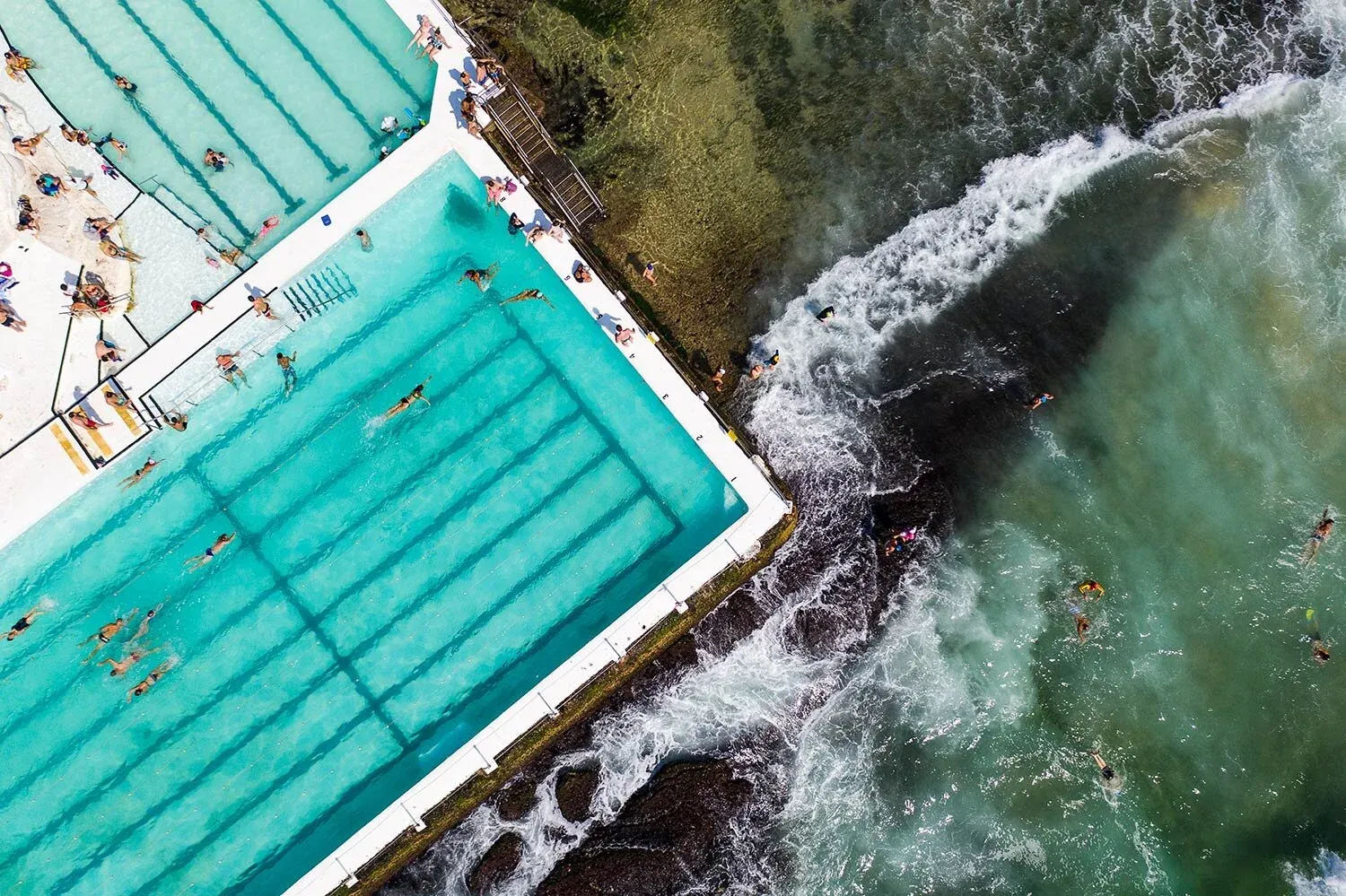
I don’t need to relive or retell what happened back home in Bondi Beach while I was sleeping on the other side of the world. But I can tell you this: my fingers stopped typing, my heart started beating faster, and all I wanted to do was find my son and hug him.
So instead of writing about perfect practice, I started writing this (below).
Take two: I spent this week in New York with one of my clients and her team. We’ve been professional colleagues and friends for over two years now, and she flew me to NYC to help her tech company plan 2026. Our relationship is built on mutual trust, connection, and a shared purpose. We’re aligned on creativity and making something meaningful together. That’s the foundation. Everything else is just context.
She’s Jewish. I’m an atheist. We see the world through different lenses, and that’s never been a problem. My lack of religious faith doesn’t diminish hers, and her Judaism doesn’t challenge mine. We are who we are, and we respect each other completely.
I take a deep interest in all my friends’ faith. Our LDS friends in Salt Lake City, whom we love dearly; our Jewish friends in Sydney and New York; our Muslim friends in Sydney, Lebanon, London, and LA; and our Christian and Catholic friends all over the world, among others.
I’m interested in you. I’m interested in your faith. I’m interested in your passions and what makes you who you are. That’s what connection looks like to me.
In 2025, we started working with Farmers Footprint. The introduction came through one of my favourite humans, Dave Murphy from ReWild Projects. Zach Bush, the founder of Farmers Footprint, in turn, introduced me to new ways to imagine our gut health, and his comparison of the gut to the earth, and in particular the soil, was life-changing for me.
It forever altered the way I consume food. Without good soil, we don’t really have a good anything. Zach talks about the microbiome in our gut the same way he talks about the microbiome in the earth. When we poison one, we poison the other. When we heal one, we create conditions for the other to heal too.
My work with Farmers Footprint led to the creation of a new series for them, a podcast called The Invisible Ingredient, which talks about Glyphosate and how glyphosate, basically Roundup, is killing us slowly. The science is hard to argue with. It’s in our food and in our bodies, and people downstream from farms are dying from this.
We don’t see it. We can’t pronounce it. So people don’t really see it as a threat. But it is killing us daily and harming our children every single day.
Glyphosate kills.
So does violence. Men with guns. White men, brown men, black men. Sometimes women, too. When that harm is visible, when we can see the source of the pain, we name it for what it is. We call it terror and murder. We grieve and seek accountability.
But the invisible threats, the ones we can’t see or pronounce or fully understand, slip past us. They become normalised, acceptable losses, until one day we wake up and realise what we’ve done to ourselves and to our kids.
Since Bondi, I’ve been thinking about another invisible ingredient. Kindness. Basic human decency and the willingness to see each other as people instead of problems.
I’m sitting in LAX writing this, fresh from Nebraska. I look around this airport, and I can’t help but think about that opening scene from Love Actually. The one at the arrivals gate at Heathrow. Love is all around. People greeting each other, holding each other, coming home to someone who matters.
As men, we need to be more vulnerable. We need to share pain instead of burying it. We need to be kinder, not just to our neighbours but to ourselves, too. While some world leaders lead with division and hate, with borders and walls and us-versus-them, we can choose something different.
I am learning, at the tender age of 50, that the soil is everything.
Without healthy soil, nothing grows. You can’t force food to grow in poisoned ground. You can’t manufacture health in dead earth. The soil needs to be rich, alive, teeming with the kind of invisible life that makes everything else possible.
We are the soil of our communities. We’re either enriching the ground we stand on, or we’re poisoning it.
Every time we show up for our youth, our sporting teams, our schools, our arts, our neighbours, we’re adding something vital to the earth beneath all of us. Every time we choose connection over isolation, vulnerability over performance, kindness over indifference, we’re feeding the microbiome that holds everything together.
You can’t grow healthy kids in dead communities. You can’t grow culture, safety, or belonging in places where people have stopped caring about each other. Just like glyphosate, hate, division, and neglect poison the soil. They kill the invisible networks that keep us alive.
The invisible ingredient is connection. The willingness to be part of the ecosystem rather than stand apart from it. The recognition that we’re not separate from each other, that what happens to you happens to me, that we’re all downstream from someone and upstream from someone else.
We are the soil. We hold each other up. We create the conditions for what grows or dies in our communities. And right now, we need to decide what we’re adding to the ground beneath us.
I’m choosing connection. I’m choosing kindness.
To my friends, loved ones, and the neighbours I haven’t met yet in Bondi and greater Sydney of all races and religions. I stand beside you in solidarity. And I will be better tomorrow for you, because of you, right beside you.