

97% Recommends: 10 Books on Creative Practice

About: Recommends Duration: 10 minutes Books: 10 Result: Practice

The books that will help you show up every day and do the work.
Inspiration is a terrible business model. It shows up when it feels like it, disappears without warning, and has no respect for deadlines. If you wait for inspiration to strike before you create, you'll spend most of your life waiting.
Creative practice is the antidote. It's the decision to show up regularly — daily, if possible — and make something, regardless of how you feel about it. Not because discipline is more romantic than inspiration, but because the act of showing up is what generates the ideas in the first place. The muse visits the working, not the waiting.
What separates prolific creators from everyone else isn't talent or luck. It's systems. Rituals. Habits. The unglamorous infrastructure that makes creative output sustainable over years, not just bursts. The ten books below are about building that infrastructure — turning creativity from something that happens to you into something you do.
Seth Godin
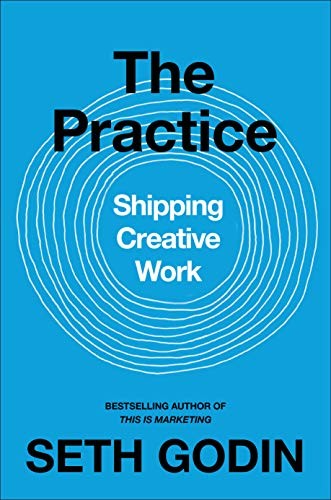
Godin strips creativity down to its most essential act: shipping. The Practice argues that creative work isn't about finding your voice or waiting for a breakthrough — it's about making a commitment to produce work for other people, consistently, and trusting the process even when it feels pointless. It's short, punchy, and deliberately repetitive. Every chapter reinforces the same idea from a different angle: do the work, share the work, repeat.
The Takeaway: Creative work is a practice, not a performance. Ship it and move on.
Mason Currey
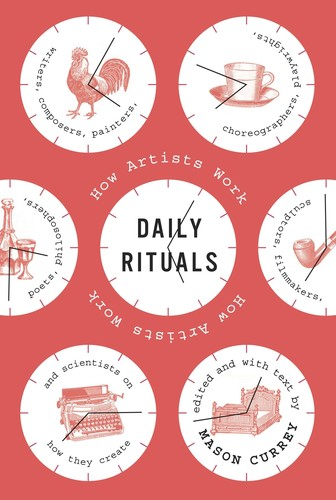
A fascinating catalogue of how 161 great minds — writers, composers, artists, scientists, philosophers — structured their working days. Some woke at dawn, others worked through the night. Some needed silence, others craved noise. The revelation isn't that there's one right way to work — it's that every single one of them had a routine. The specifics varied wildly. The consistency didn't.
The Takeaway: There is no perfect creative routine. But there must be a routine.
James Clear
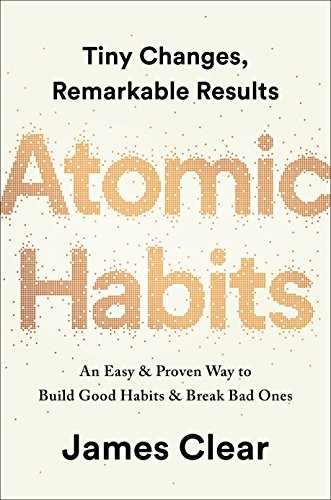
Not a creativity book per se, but arguably the most useful book on this list for anyone trying to build a creative practice. Clear's framework — make it obvious, attractive, easy, and satisfying — applies directly to creative habits. Want to write every morning? Make the notebook visible, the coffee ready, the first step tiny. The compound effect of small, consistent actions is the engine behind every sustained creative career.
The Takeaway: You don't rise to the level of your goals. You fall to the level of your systems.
Austin Kleon
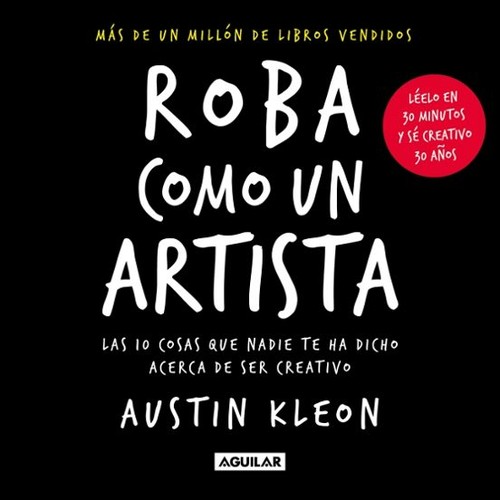
Kleon's manifesto for the modern creative is built on a liberating premise: nothing is original, and that's fine. Every artist is a collector of influences, and the creative act is about combining, transforming, and remixing what you've absorbed. It's a short, illustrated book that reads in an hour and stays with you for years. Particularly powerful for anyone paralysed by the pressure to be "original."
The Takeaway: Don't wait until you know who you are to get started. Start copying what you love, and your own voice will emerge.
Twyla Tharp
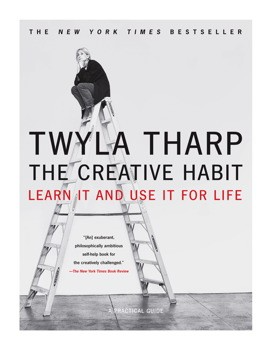
Legendary choreographer Twyla Tharp has been creating professionally for over fifty years, and this book is her manual for how she does it. The Creative Habit is practical to its core — full of exercises, rituals, and strategies for generating ideas, overcoming blocks, and sustaining a creative life over decades. Her concept of the "creative DNA" and the ritual of the morning taxi to the gym are now part of the creative canon.
The Takeaway: Creativity is not a gift from the gods. It's the product of preparation and effort, and it's within reach of everyone who commits to the work.
Austin Kleon
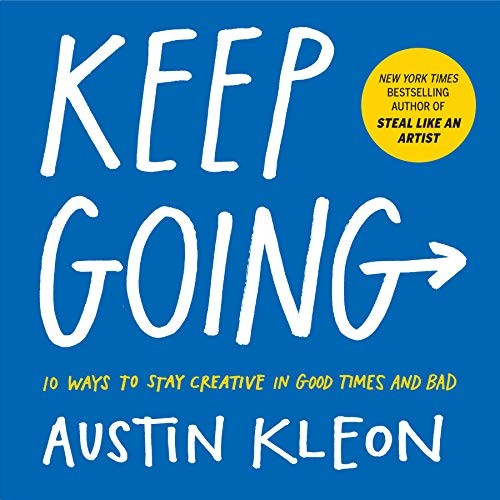
The third in Kleon's trilogy, and the one that matters most when the initial excitement fades. Keep Going is about sustaining a creative life when the world is chaotic, attention is fractured, and motivation has evaporated. It's ten principles for staying creative in good times and bad — from "every day is Groundhog Day" to "the ordinary + extra attention = extraordinary." A book you'll return to repeatedly.
The Takeaway: The creative life is not a linear journey. It's a daily practice of paying attention and making things.
Anne Lamott
Lamott's classic on writing — and by extension, on any creative practice — is funny, honest, and deeply human. The title comes from her father's advice to her brother, overwhelmed by a school report on birds: just take it bird by bird. That's the method. Small assignments. Terrible first drafts. One step at a time. It's the most comforting book on this list, and the most truthful about how messy creative work actually is.
The Takeaway: Almost all good writing begins with terrible first efforts. You need to start somewhere, so start by getting something — anything — down on paper.
Cal Newport
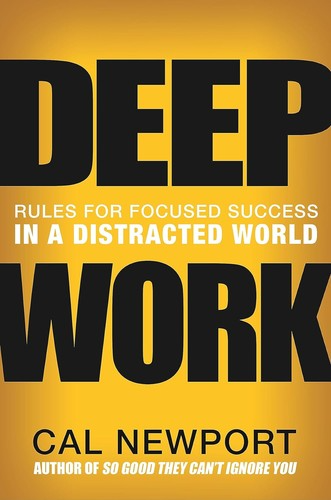
Newport makes the case that the ability to focus without distraction is becoming both increasingly rare and increasingly valuable. Deep Work provides a framework for structuring your time to protect the kind of concentrated, cognitively demanding work that creative practice requires. In an age of notifications, open offices, and shallow busyness, this book is a survival guide for anyone who needs to think deeply to do their best work.
The Takeaway: The ability to perform deep work is becoming increasingly rare at exactly the same time it's becoming increasingly valuable. Protect it.
Mihaly Csikszentmihalyi
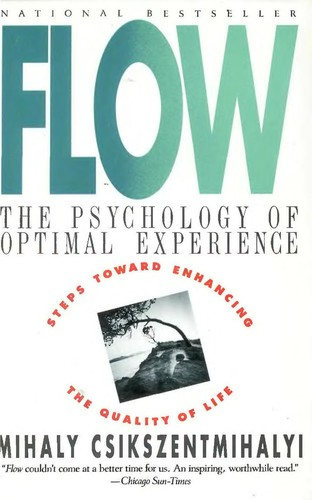
The book that named the state every creative person chases — that feeling of complete absorption where time disappears and the work seems to do itself. Csikszentmihalyi spent decades studying optimal experience, and Flow explains the conditions that make it possible: clear goals, immediate feedback, and a balance between challenge and skill. Understanding flow doesn't guarantee you'll find it, but it dramatically increases the odds.
The Takeaway: The best moments in our lives are not passive. They occur when a person's body or mind is stretched to its limits in a voluntary effort to accomplish something difficult and worthwhile.
Edited by Jocelyn K. Glei
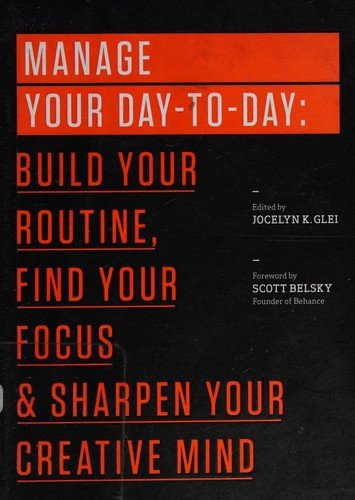
An anthology of short essays from the 99U conference, featuring contributions from Seth Godin, Stefan Sagmeister, Gretchen Rubin, Tiffany Shlain, and others. Each essay tackles a specific aspect of building a sustainable creative routine — managing energy, taming tools, finding focus, sharpening your creative mind. It's the most practical book on this list, designed to be dipped into whenever you need a reset.
The Takeaway: Building a sustainable creative practice isn't about willpower. It's about designing your days so the important work happens first.
Individually, these books offer tactics — morning routines, habit loops, focus strategies, permission to write badly. Together, they make a more profound argument: creative practice is not about waiting for the right moment. It's about building a life where the right moment happens every day, by design.
The pattern across all ten is remarkably consistent. Show up. Start before you're ready. Make the work small enough to begin. Protect the time. Trust the process. Ship it. Repeat. None of this is glamorous. None of it makes for a good Instagram story. But it's how every sustained creative career in history has actually worked.
If you're reading this and thinking "I know I should create more but I just can't find the time" — start with Atomic Habits and build from there. If you already have a practice but it's fragile, read Keep Going. And if you want the single most honest account of what creative work actually feels like day to day, read Bird by Bird.
The practice is the point. Everything else follows.
97% Creative. Because you already are.
Your link has expired. Please request a new one.
Your link has expired. Please request a new one.
Your link has expired. Please request a new one.
Great! You've successfully signed up.
Great! You've successfully signed up.
Welcome back! You've successfully signed in.
Success! You now have access to additional content.