

97% Recommends: 12 Books on Creative Confidence

About: Recommends Duration: 12 minutes Books: 12 Result: Confidence
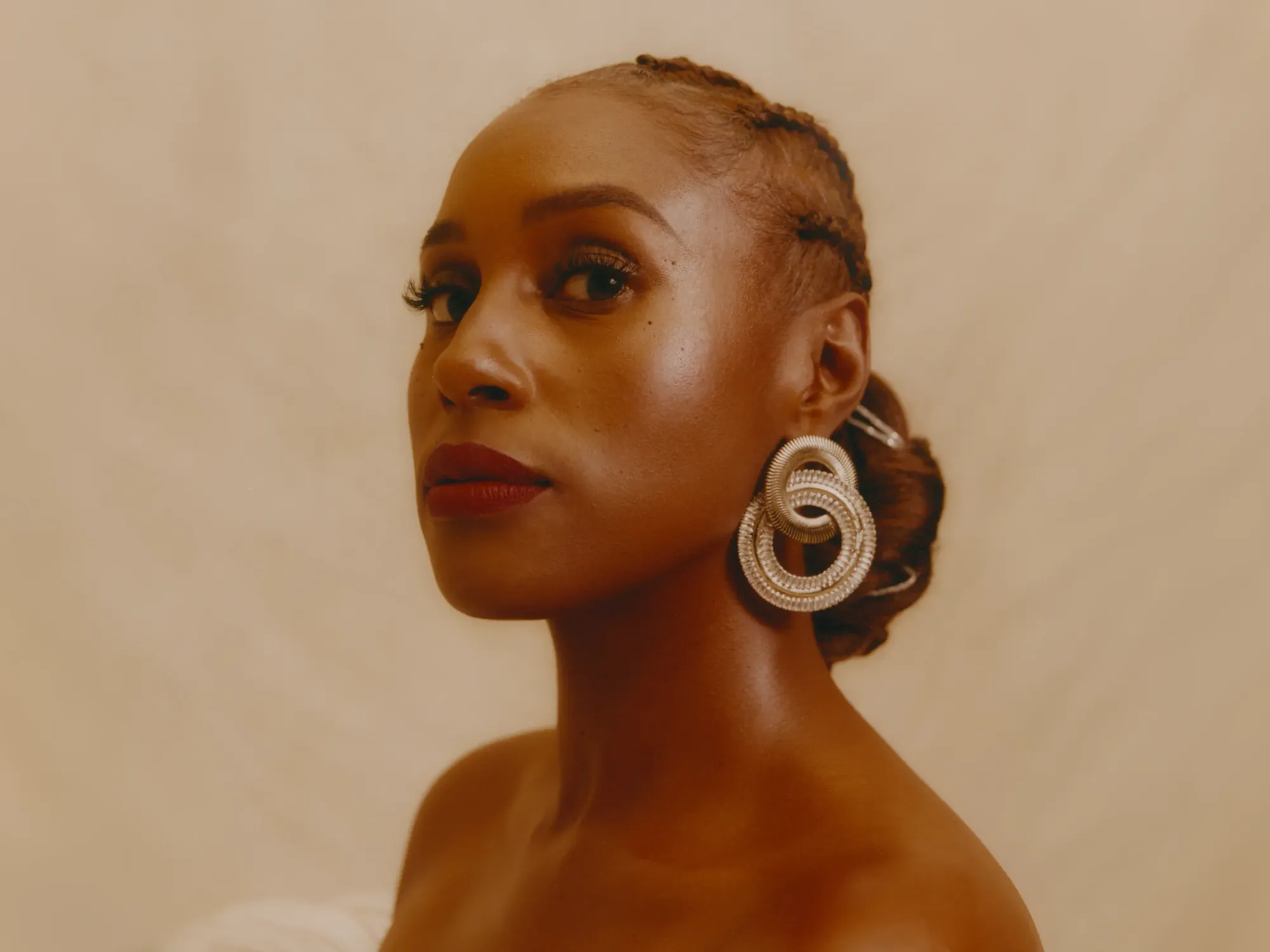
The books that helped us stop second-guessing and start making.
Most people don't lack creativity. They lack the confidence to use it.
Somewhere between childhood and adulthood, the willingness to try things, fail publicly, and keep going got quietly trained out of us. We learned to wait for permission, to polish before sharing, to hand the floor to the "creative people" in the room. The result is a world full of capable, imaginative humans who've talked themselves out of their own potential.
These twelve books approach that problem from different angles. Some are practical, some are philosophical, some are deeply personal. All of them are worth your time.
Tom Kelley & David Kelley
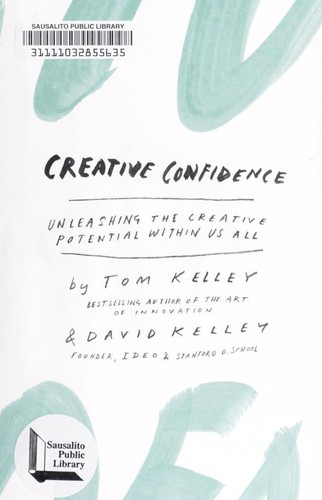
The book that named this whole conversation. Tom and David Kelley, founders of IDEO and Stanford's d.school, make a straightforward case: creativity belongs to everyone, and the thing stopping most people from accessing it is fear, not talent. Decades of design thinking work sit behind this book and it shows. Practical, generous, and genuinely persuasive.
Take from it: Creativity is about having the confidence to act on your ideas, not just having them.
Steven Pressfield
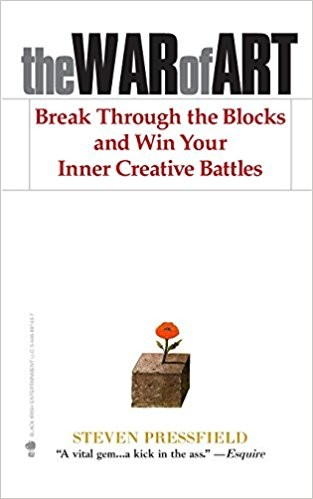
Pressfield names the enemy and calls it Resistance. The invisible internal force that stops you from sitting down and doing the work. This book is short, fierce, and deliberately repetitive. It reads like someone grabbing you by the collar. If you've ever procrastinated on a creative project, talked yourself out of starting, or waited for inspiration to arrive like a bus, this one's for you.
Take from it: The professional shows up every day and does the work. The amateur waits for perfect conditions.
Elizabeth Gilbert
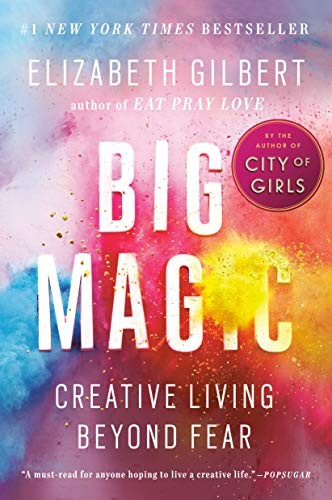
Gilbert's argument is simple and she's right: creativity is curiosity followed by action, and it should be enjoyable. Big Magic dismantles the myth of the tortured genius and replaces it with something more honest. You don't need to be special or qualified. You just need to be willing. Warm, direct, and a genuine permission slip.
Take from it: You don't need permission to create. Curiosity is enough to start.
David Bayles & Ted Orland
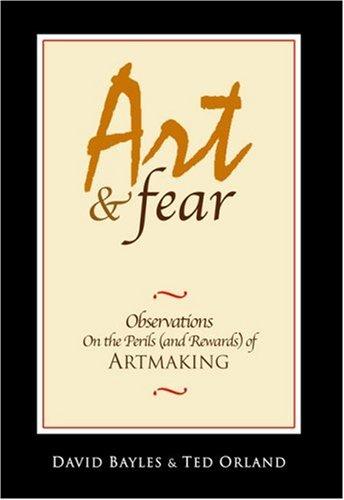
A quiet classic that's been passed between artists, designers, and writers for decades. This book looks honestly at the internal obstacles that stop people from making work: perfectionism, comparison, the gap between what you imagined and what came out. The ceramics class story alone, quantity over quality, has changed the way thousands of people think about practice. Honest about how hard creative work is, but never defeatist.
Take from it: Most of your work exists to teach you how to make the small fraction that soars.
Julia Cameron
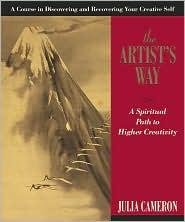
The original creative recovery programme. Cameron's 12-week course, built around morning pages and artist dates, has helped more people reconnect with their creative selves than almost any other book we know. It's structured, slightly spiritual, and remarkably effective. Whether you're blocked, burnt out, or just a bit rusty, this one gives you a framework for rebuilding from the ground up.
Take from it: Creativity is a natural function of life. Clear the blocks and it returns.
Brené Brown
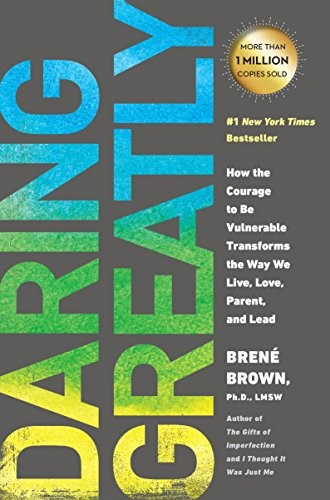
Brown's research on vulnerability changed the conversation about courage in work and in life. The willingness to show up without knowing the outcome is the foundation of creativity and meaningful connection. If you've ever held back an idea because you were afraid of being judged, this book explains exactly why that happens and what to do about it.
Take from it: Vulnerability is the birthplace of creativity, innovation, and change.
Issa Rae

Before Insecure, before HBO, before any of it, Issa Rae made a web series in her bedroom because she wanted to see a version of herself on screen that didn't exist yet. This book is the story of how she got there. Funny, honest, and deeply specific about what it actually feels like to create something personal and put it out before anyone asked you to. It's a book about creative confidence in the most practical sense: deciding your perspective is worth sharing and doing it anyway, without waiting for a green light that may never come.
Take from it: You don't need the industry to validate your idea. You need a camera and the nerve to start.
Susan Jeffers
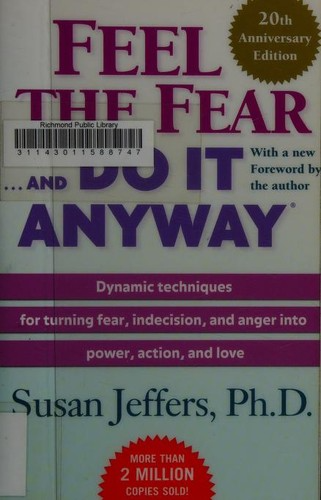
The central insight here is deceptively simple: the fear never goes away. No matter what you're doing, launching something, sharing your writing, stepping on stage, the fear shows up. Jeffers gives you practical tools for treating fear as a companion rather than a stop sign, and for building the habit of acting anyway.
Take from it: Fear grows with you. So you might as well get comfortable with it.
Austin Kleon
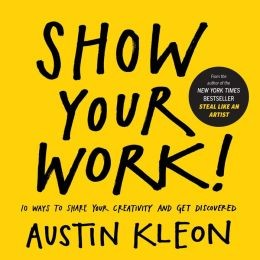
The follow-up to Steal Like an Artist, and in some ways the more useful book. Kleon tackles the part most creative people dread: sharing. You don't need to be a genius or a self-promoter. You need to be generous, consistent, and willing to show the process, not just the polished result. A confidence-builder disguised as a book about being findable.
Take from it: Share the process. That's where the real work lives.
Kiese Laymon

One of the most honest books about creative courage we've ever read. Laymon wrote this memoir as a letter to his mother, telling the truths about his body, his family, and his life that he'd spent years either avoiding or disguising in fiction. The act of writing it was itself an act of extraordinary creative confidence. For anyone who creates from personal experience but keeps softening the edges, keeps protecting people who don't deserve protecting, keeps making the work safer than the truth, this book is the most direct challenge you'll find to do otherwise.
Take from it: The work that costs you the most to make is usually the work that matters most to someone else.
Adam Grant
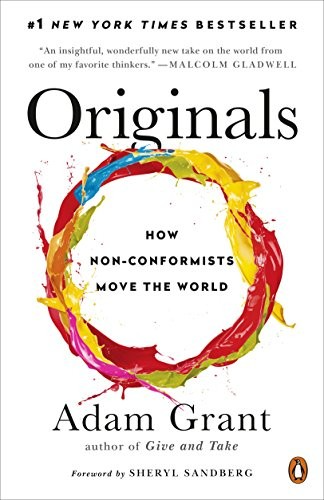
Grant spent years studying people who champion new ideas and found they're not who you'd expect. The most creative people aren't fearless. They're often cautious, doubtful, and prone to procrastination. What separates them is that they act anyway. Packed with research and stories that reframe what originality actually looks like, and deeply reassuring if you've ever thought you weren't bold enough.
Take from it: Doubt doesn't disqualify you. Most originals were full of it.
Rollo May
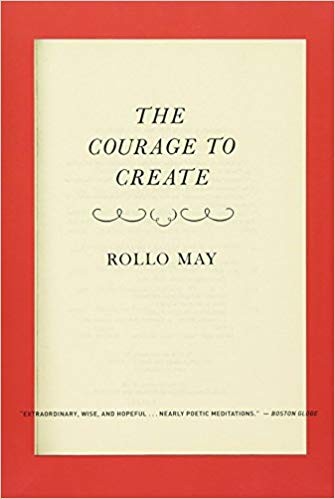
The oldest book on this list and probably the most profound. Existential psychologist Rollo May explores creativity and anxiety together, arguing that the creative act requires genuine courage. The willingness to encounter the unknown and bring something new into the world. Philosophical, dense in places, and completely worth it. If you want to understand why creativity feels risky at a deep level, start here.
Take from it: Creativity requires the courage to let go of certainty.
Read these individually and each one solves a specific problem: procrastination, perfectionism, fear of judgment, imposter syndrome. Read them together and a bigger pattern emerges. Creative confidence is a practice. Something you build through repeated acts of showing up before you feel ready.
The barrier to creativity is almost never skill. It's belief.
If you're starting with one, make it Creative Confidence by the Kelley brothers. Then read Issa Rae. Between those two books, you'll have the theory and the lived proof that showing up as exactly who you are is the only creative strategy that actually works long term.
97% Creative. Because you already are.
Your link has expired. Please request a new one.
Your link has expired. Please request a new one.
Your link has expired. Please request a new one.
Great! You've successfully signed up.
Great! You've successfully signed up.
Welcome back! You've successfully signed in.
Success! You now have access to additional content.